Painting Tips for Beginners: Achieve a Professional Finish
James Murray ·
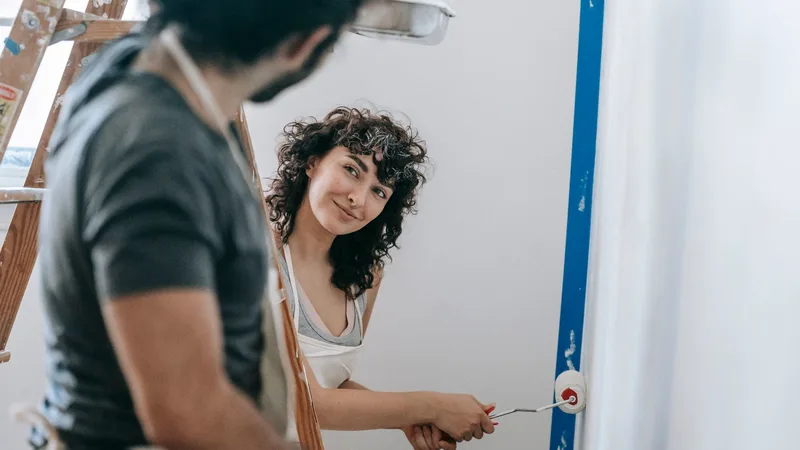
Painting your home can seem daunting, especially for beginners. With the right tips and techniques, you can achieve a professional finish that transforms your space and adds value. In this article,…
Choosing the Right Paint for Your Project
When embarking on a painting project, selecting the right type of paint is crucial to achieving a professional finish. With various options available, understanding the differences between oil-based and water-based paints helps you make an informed choice. Oil-based paints offer durability and a smooth finish, making them ideal for high-traffic areas. Water-based paints dry quickly and are easier to clean up, making them suitable for indoor projects where ventilation might be limited
Types of Paint Explained
Oil-based paints are known for their rich colors and shiny finish, which can enhance the appearance of your surfaces. However, they require more time to dry and can emit strong fumes, necessitating proper ventilation during application. Water-based paints, in contrast, are favored for their low odor and quick drying time. They also clean up easily with soap and water, making them a popular choice for DIY enthusiasts. Understanding these differences can streamline your project and help you achieve the desired look.
Finish Options That Suit Your Style
The finish of your paint can significantly impact the overall aesthetic of a room. Matte finishes provide a soft, non-reflective surface that hides imperfections, making them perfect for ceilings or low-traffic areas. Satin finishes offer a slight sheen, making them easier to clean, which is suitable for kitchens and bathrooms. Gloss finishes provide a shiny, reflective look that can add depth and drama to any room. By choosing the right finish, you create an inviting atmosphere that reflects your personal style.
Preparing Your Space for Painting
Before diving into your painting project, proper preparation of your space is essential for a smooth and successful outcome. Ensuring you have all the necessary tools and materials at hand saves you time and frustration. Key items include brushes, rollers, painter's tape, drop cloths, and paint trays. Having these essentials ready streamlines your workflow and allows you to focus on achieving that professional finish.
Essential Tools and Materials
Investing in quality tools can make a significant difference in your painting experience. A good-quality brush can provide better coverage and a smoother finish, while a roller speeds up the process for larger areas. Don't forget painter's tape, which helps create clean lines and edges, ensuring a polished look. Drop cloths protect your floors and furniture from paint splatters, making cleanup easier and reducing stress during the project.
Surface Preparation Techniques
Surface preparation is a critical step that can greatly affect the final result of your paint job. Begin by cleaning the surfaces to remove dirt, grease, and dust, ensuring proper adhesion of the paint. Sanding the surfaces helps smooth out imperfections and creates a better bond. Additionally, applying a primer enhances the paint's durability and color vibrancy. Taking the time to prepare your surfaces properly ensures that your paint adheres well, resulting in a beautiful, long-lasting finish.
Mastering Painting Techniques
Achieving a professional finish in your painting project hinges on mastering the right techniques. Whether you're refreshing a room or tackling a larger home renovation, your choice of tools and application methods significantly impacts the final result. Understanding the nuances between different tools enhances your skills and streamlines your workflow. Let's explore some essential tips to improve your painting game.
Brush vs. Roller: Which to Use?
Choosing between a brush or roller can be pivotal for your painting project. Brushes are ideal for smaller areas and intricate details, allowing you to reach corners and edges with precision. Rollers cover large surfaces quickly and efficiently, making them perfect for walls and ceilings. For the best results, consider using both: a brush for cutting in and a roller for the bulk of the work. This combination helps achieve a smooth, even application that enhances the overall appearance of your space.
Creating Clean Lines
One of the most frustrating aspects of painting is dealing with messy edges and paint bleed. To achieve sharp, clean lines, start by using painter's tape along the edges where different colors meet. Press the tape down firmly to prevent paint from seeping underneath. After applying your paint, remove the tape while it’s still slightly wet for the best results. This method transforms your project, giving it a polished, professional finish that stands out. Precision matters.
The Art of Color Selection
Color selection is a crucial aspect of any home improvement project. The right colors can transform a space, influencing mood and atmosphere. When planning your painting project, take the time to understand how colors interact and complement each other. By applying color theory, you can create a harmonious environment that reflects your personal style and enhances your living space. Let’s dive into the essentials of color selection to ensure your project is a success.
Using Color Theory to Your Advantage
Understanding color theory is key to making informed decisions about your paint choices. Colors can evoke specific emotions and responses—warm colors like reds and yellows energize a space, while cool colors like blues and greens tend to create a calming effect. Consider the mood you want to achieve in each room and select colors that align with that vision. This strategic approach transforms not just the aesthetics but also the experience of your home, similar to how the right atmosphere enhances a night at the casino.
Testing Paint Colors in Your Space
Before committing to a color, it's essential to test samples in your actual space. Lighting can dramatically alter the appearance of a paint color, making it look different during the day versus evening. Purchase sample pots and paint swatches to observe how they interact with your furnishings and lighting throughout the day. This step prevents costly mistakes and ensures that the final palette fits your vision perfectly. Just as in gaming, where testing strategies can lead to a winning outcome, evaluating your color choices leads to a beautifully finished room.
Post-Painting Touch-Ups and Maintenance
Once you've completed your painting project, the next step involves ensuring your work remains in pristine condition. Post-painting touch-ups are crucial for maintaining the professional finish you’ve achieved. Addressing any imperfections or wear promptly enhances the aesthetic of your space and prolongs the life of your paint job. A few simple maintenance tips can help keep your walls looking fresh and vibrant.
How to Handle Common Mistakes
Even the most experienced painters can encounter issues like drips, uneven coverage, or missed spots. To address drips, allow the paint to dry completely, then carefully scrape off the excess with a utility knife. For uneven coverage, a light sanding followed by a touch-up with the same paint can work wonders. Keep a small brush handy for these touch-ups; it's easier to blend in than trying to repaint an entire wall. The key is to act quickly and be precise to maintain that professional look.
Keeping Your Walls Looking Fresh
To preserve the beauty of your painted surfaces, regular cleaning is essential. Use a soft sponge or cloth with mild soap and water for most surfaces, and avoid harsh chemicals that might damage the finish. For high-traffic areas, consider a semi-gloss paint; it’s more washable and durable. Additionally, keep an eye on the walls, as sunlight can fade colors over time. A little maintenance goes a long way in keeping your walls looking their best.
From Home Improvement to Casino Entertainment
Transforming your home into a game room requires more than just a table and chairs; the atmosphere plays a significant role in enhancing the gaming experience. Painting is a fantastic way to set the mood for your home casino area. The right color palette creates an inviting ambiance that encourages fun and excitement. By incorporating thoughtful design choices, you can elevate your game nights and impress your guests.
Creating an Inviting Game Room
The colors you choose for your game room can significantly impact the overall vibe. For a lively atmosphere, consider vibrant shades like deep reds or rich greens, reminiscent of classic casinos. Soft lighting combined with these colors creates an inviting space where friends and family feel comfortable to gather. Pay attention to the flow of the room, ensuring that it’s easy for players to move around and engage in games without feeling cramped.
Incorporating Gaming Elements in Decor
Designing a game room isn’t just about the paint; it’s about harmonizing all elements of decor. Use color strategically to highlight gaming features, such as painting accent walls or using themed artwork that reflects your favorite games. Consider adding elements like poker chip displays or framed gaming memorabilia to tie everything together. These thoughtful touches enhance the aesthetic and immerse your guests in a unique gaming experience right at home.