How to Fix Leaky Faucets: A Step-by-Step Guide
James Murray ·
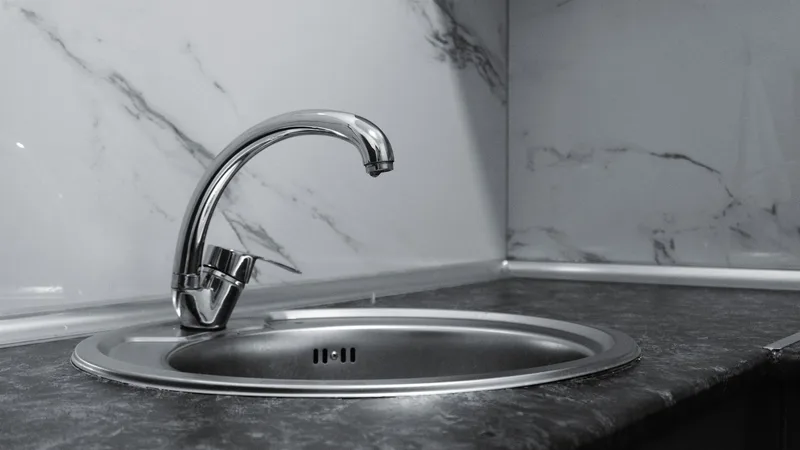
Leaky faucets can be more than just an annoyance; they can lead to bigger plumbing issues if not addressed promptly. Understanding how to tackle common plumbing problems saves time and money,…
Understanding the Common Causes of Faucet Leaks
Faucets are essential fixtures in our homes, but they can become a source of frustration when they leak. Understanding the common causes of these leaks saves you time and money on repairs. A simple washer issue or a more complex valve problem can lead to leaks. Identifying the source of a leak is the first step toward resolution. In this section, we will explore the various reasons faucets leak and how to pinpoint the exact problem
Identifying the Source
Leaks can stem from multiple sources, including worn-out washers, corroded valve seats, or loose connections. A dripping faucet might indicate a faulty O-ring or a cartridge that needs replacing. To identify the source, start by turning off the water supply and inspecting the faucet for visible signs of wear. Sometimes the leak is subtle, requiring a closer look at fittings and seals. Understanding these common culprits leads to a quicker and more effective repair process.
Types of Faucets
Different types of faucets, such as compression, cartridge, ball, and ceramic disk, come with their own set of issues. Compression faucets often leak due to worn washers, while cartridge faucets may have problems with the cartridge itself. Ball faucets, commonly found in kitchen sinks, can develop leaks from the ball mechanism. Finally, ceramic disk faucets are known for their durability but may encounter problems if the seals become compromised. Knowing the type of faucet you have helps you understand the specific issues it may face.
Gathering the Right Tools and Materials
Before embarking on your faucet repair journey, gathering the right tools and materials is essential. Having the correct equipment at hand streamlines the repair process and prevents unnecessary delays. Basic tools like screwdrivers, pliers, and a wrench are generally required for most repairs. Additionally, being prepared with quality replacement parts ensures your faucet functions properly once repairs are complete.
Essential Tools for Faucet Repair
To successfully repair a leaky faucet, you’ll need some basic tools. A set of screwdrivers, both flathead and Phillips, is essential for removing faucet handles and other components. Pliers help you grip and turn stubborn nuts, while an adjustable wrench is useful for tightening and loosening fittings. Don’t forget to have some towels on hand to catch any water that spills during the repair process. Having these tools ready makes your task much easier.
Choosing Quality Replacement Parts
The durability of your faucet repair largely depends on the quality of the replacement parts you choose. Opting for high-quality washers, O-rings, and cartridges can significantly extend the life of your faucet. It's wise to consult your faucet's manufacturer or a trusted hardware store for recommendations on parts that fit your specific type of faucet. Investing in quality components may require a bit more upfront cost, but it saves you from frequent repairs down the line. Just as in casino gaming, where quality makes a difference in your experience, the same applies to your home repairs.
Step-by-Step Guide to Fixing a Leaky Faucet
Fixing a leaky faucet is a manageable task that can save you both water and money. With just a few tools and some patience, you'll tackle this common household issue. I’ll walk you through the essential steps to ensure a successful repair. Let’s start with the first and crucial step: shutting off the water supply.
Shutting Off the Water Supply
Before you begin any repair work, it’s vital to turn off the water supply to the faucet. Locate the shut-off valves under your sink; they are usually positioned on the hot and cold water lines. Turn these valves clockwise until they stop to prevent any water flow. If you can't find the valves, consider shutting off the main water supply to your home. Always double-check by turning on the faucet after shutting off the supply; there should be no water coming out. This step ensures a dry workspace and prevents messy surprises during your repair.
Disassembling the Faucet
Once the water supply is off, you can start disassembling the faucet. Carefully remove any decorative caps to access the screws. Use a screwdriver to take off the handle, followed by the packing nut, which holds the faucet together. Be mindful of the order in which you remove parts; this will help during reassembly. It’s a good idea to lay the parts out in the order you remove them to ensure nothing gets lost. Knowing how to disassemble your faucet is crucial to identifying the source of the leak and making necessary repairs.
Common Mistakes to Avoid During Repair
Even the simplest repairs can go awry if you’re not careful. Understanding common mistakes saves you time and frustration. As someone who has tackled many home repairs, I’ve seen firsthand how rushing can lead to errors that complicate the process. Let’s explore some pitfalls to avoid when fixing your leaky faucet.
Rushing the Process
One of the biggest mistakes you can make is rushing through the repair. Taking your time allows you to carefully assess each part and ensure you’re following the correct steps. If you hurry, you might overlook something crucial, like a worn-out washer or a loose screw. This can lead to further leaks down the line, negating your hard work. Approach the task methodically; patience pays off, much like the careful strategy needed in games like mobile roulette play, where a thoughtful approach leads to better outcomes.
Ignoring Compatibility
When fixing a leaky faucet, compatibility of parts is key. Many homeowners make the mistake of using generic replacements that don’t fit properly. This can cause more leaks or even damage to the faucet itself. Always check the specifications of the parts you’re replacing and ensure they match your faucet model. Just like in iGaming, where understanding the nuances of different games enhances your experience, knowing your faucet’s requirements leads to a successful repair.
Maintaining Your Faucet After Repair
Once you've successfully repaired your leaky faucet, the next step is to ensure it remains in top condition. Regular maintenance saves you from future headaches and unexpected water bills. By checking your faucet periodically, you can catch potential leaks early before they escalate into larger issues. A well-maintained faucet not only functions better but also contributes to the overall efficiency of your home plumbing system.
Regular Inspections
To keep your faucet in optimal condition, schedule routine inspections every few months. During these checks, look for any signs of wear, such as rust or mineral buildup around the faucet's base and handles. Pay attention to the sound of the water flow; any unusual noises might indicate a problem brewing underneath. By being proactive with inspections, you can address minor issues swiftly, saving both time and money in the long run.
Tips for Preventative Maintenance
Preventative maintenance is key to keeping your faucet running smoothly. Start by regularly cleaning your faucet with gentle, non-abrasive cleaners to avoid damaging its finish. Ensure you’re using the faucet properly; avoid turning it on and off too forcefully, as this can wear down the components faster. Additionally, consider using a water softener if your home has hard water, as it helps reduce mineral buildup and prolongs the life of your faucet.
Connecting Home Repair Skills to Casino Entertainment
The skills you develop while tackling home repairs surprisingly overlap with the world of casino entertainment. Just as you need precision and strategy to fix a leaky faucet effectively, the same qualities come into play when engaging in casino games. Understanding the mechanics of both activities enhances your experience, whether you’re tightening a valve or placing a bet. This connection shows that practical skills can translate into other engaging pursuits.
The Similarities in Precision and Strategy
Fixing a faucet requires a keen eye for detail and a strategic approach, much like playing games in a casino. When repairing, you must choose the right tools and techniques, considering the unique issues at hand. Similarly, in casino games, players analyze odds and make calculated decisions based on available information. Both activities demand careful planning, ensuring that the approach taken is as effective as possible, whether in home repair or gaming scenarios.
The Thrill of the Fix and the Game
There’s an undeniable thrill in both fixing a faucet and engaging in casino entertainment. Completing a successful repair provides a satisfying rush, similar to winning a hand at poker or hitting a jackpot on a slot machine. Both activities involve a degree of risk and reward, where the outcome depends on your skills and choices. This shared excitement highlights how home repair and gaming can both serve as fulfilling outlets for creativity and strategic thinking.